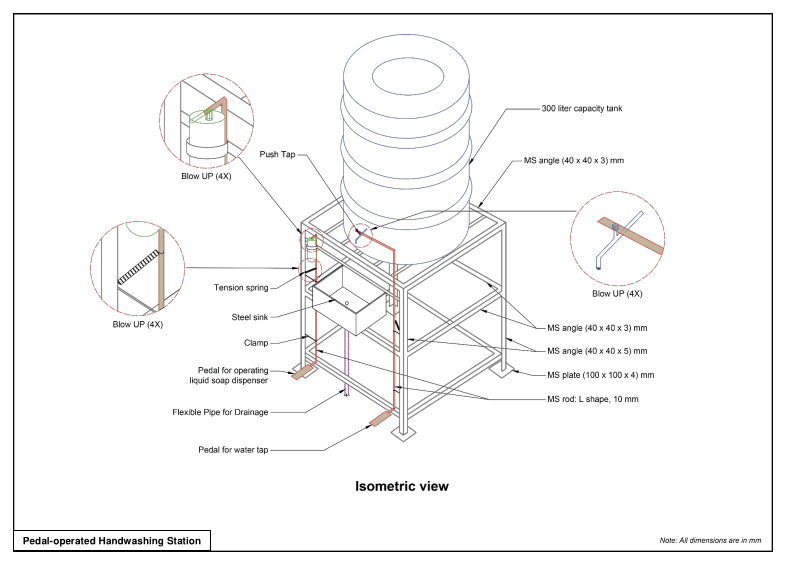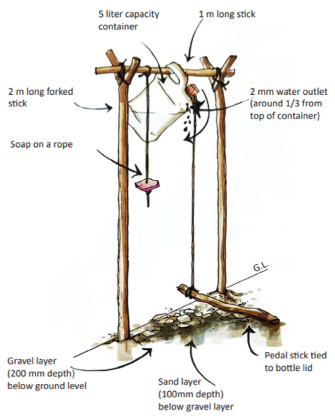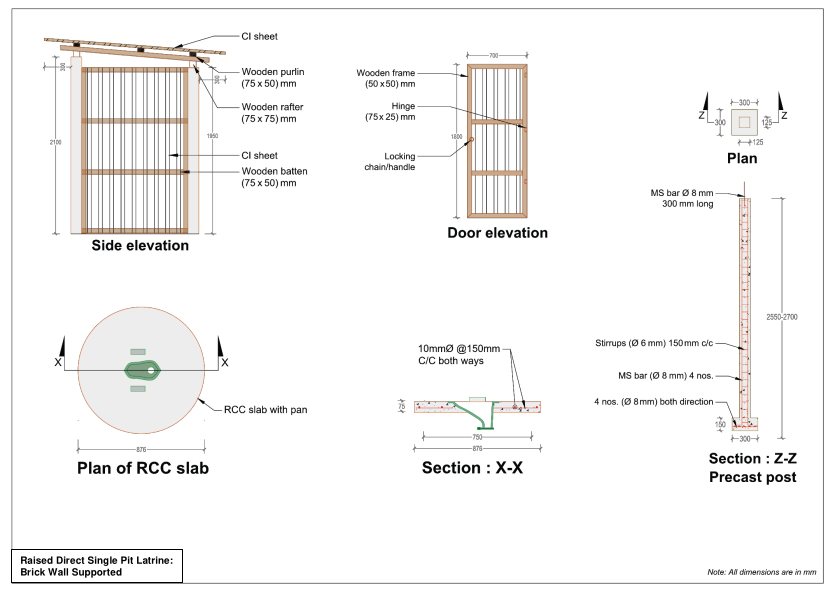
Building a safer, healthier WASH future.
Advancing resilient water, sanitation and hygiene systems through sustainable technologies, reliable infrastructure and community-focused solutions across Bangladesh.
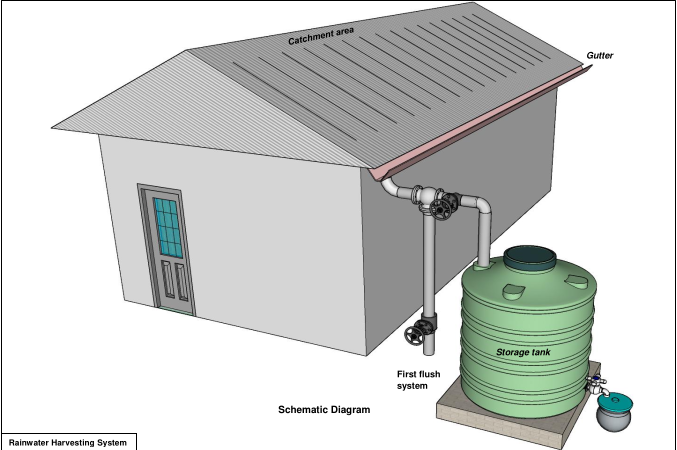
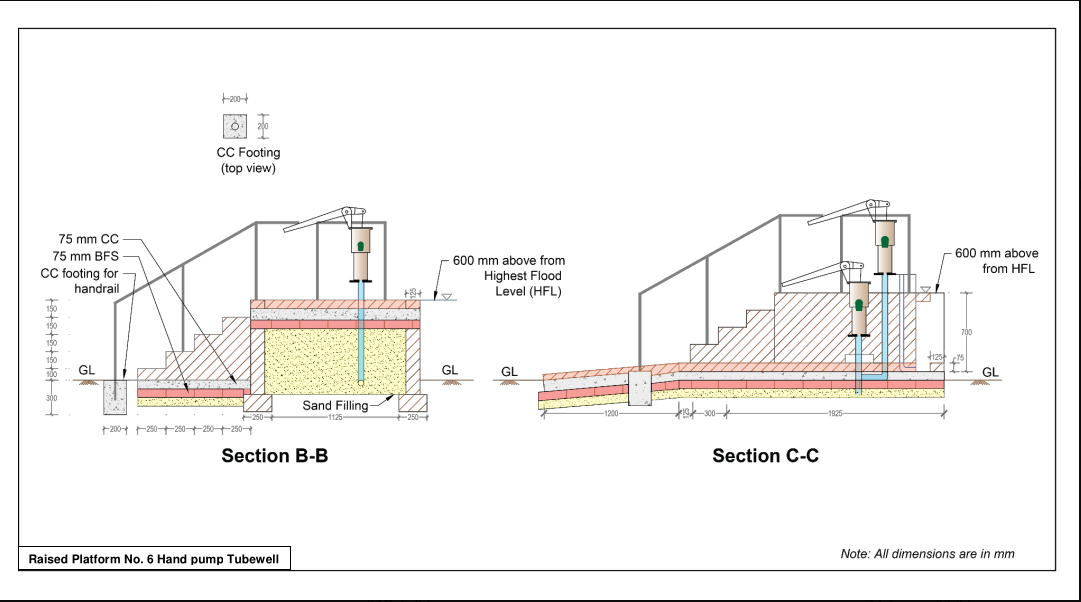
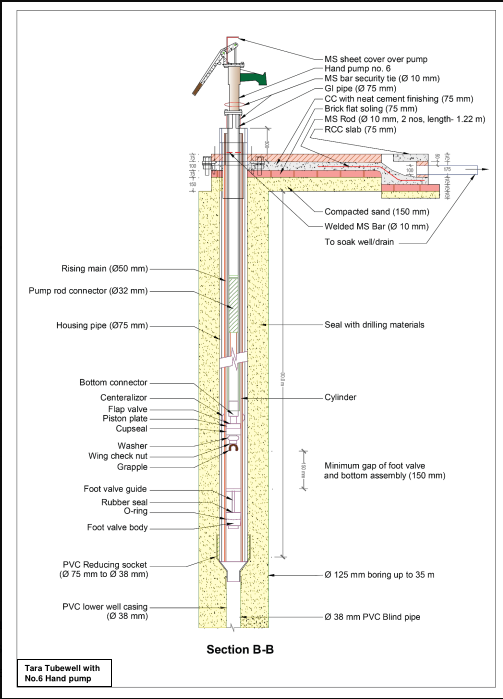
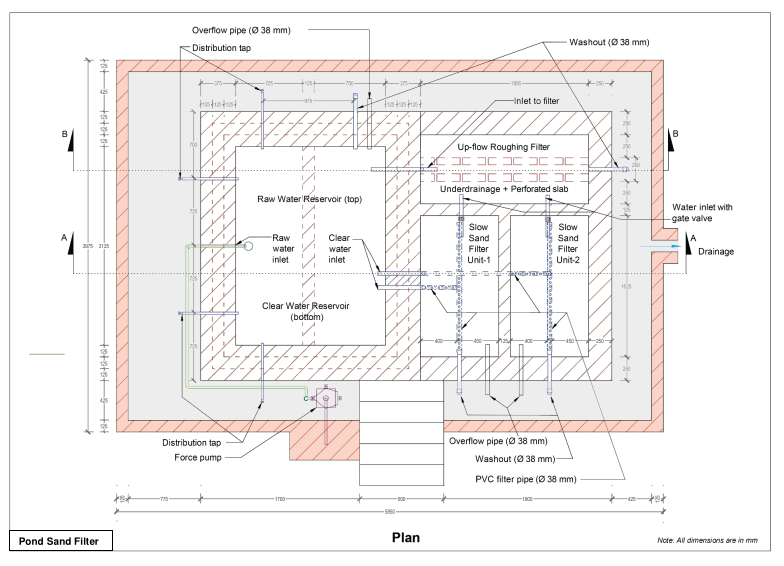
Safe Water
Reliable and resilient access to safe water.
Sanitation
Inclusive infrastructure designed for healthier communities.
Hygiene
Better hygiene practices protecting public health.
Three essentials. One foundation for healthier communities.
WASH brings together three essential public-health services — safe water, adequate sanitation and good hygiene practices — to protect communities, strengthen resilience and improve quality of life.
Safe Water
Reliable access to safe and adequate water for drinking, cooking, cleaning and personal hygiene.
Explore water solutionsSanitation
Safe containment, treatment and disposal of human waste to protect people and the surrounding environment.
Explore sanitationHygiene
Promoting handwashing, personal hygiene and healthy practices that help prevent the spread of disease.
Explore hygiene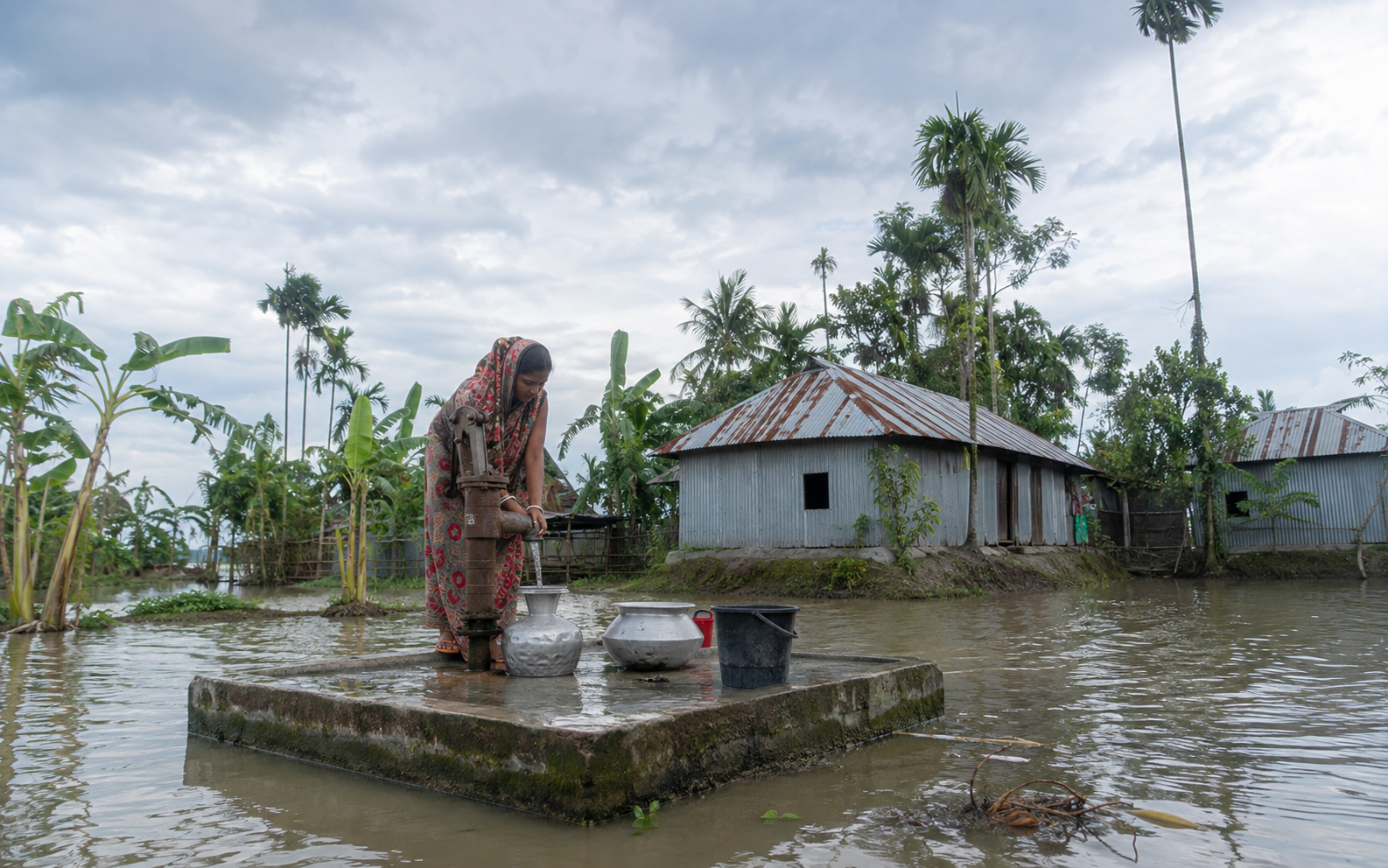
Resilient WASH for a climate-vulnerable Bangladesh.
Climate-resilient water, sanitation and hygiene infrastructure helps communities continue accessing essential services during disasters and emergencies.
Floods, cyclones and increasing salinity can disrupt conventional water and sanitation systems, increasing the risk of unsafe drinking water and waterborne disease.
By adopting climate-smart and resilient WASH technologies , essential services can remain safer and more dependable during periods of environmental stress.
Building resilience before emergencies occur
Appropriate technology, safer infrastructure and effective hygiene practices can reduce public-health risks during climate-related emergencies.
WASH technologies for every phase of disaster.
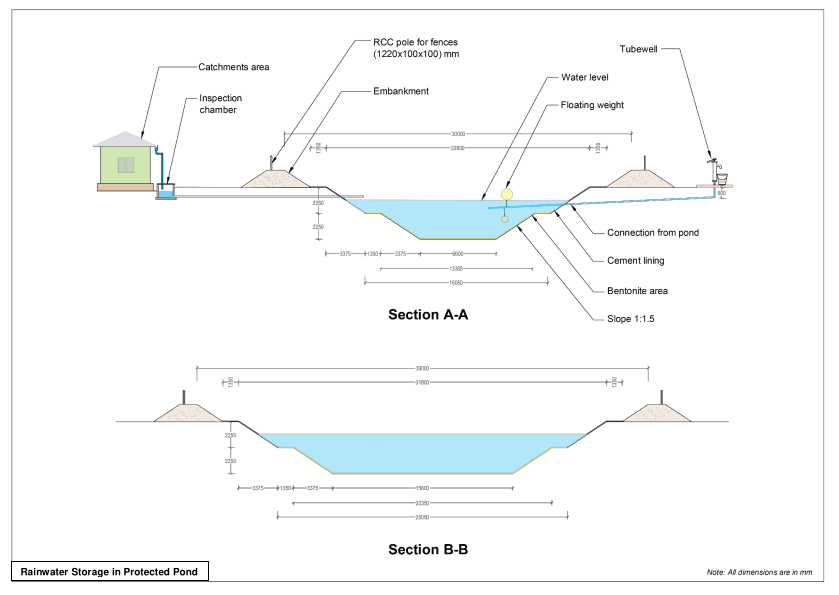
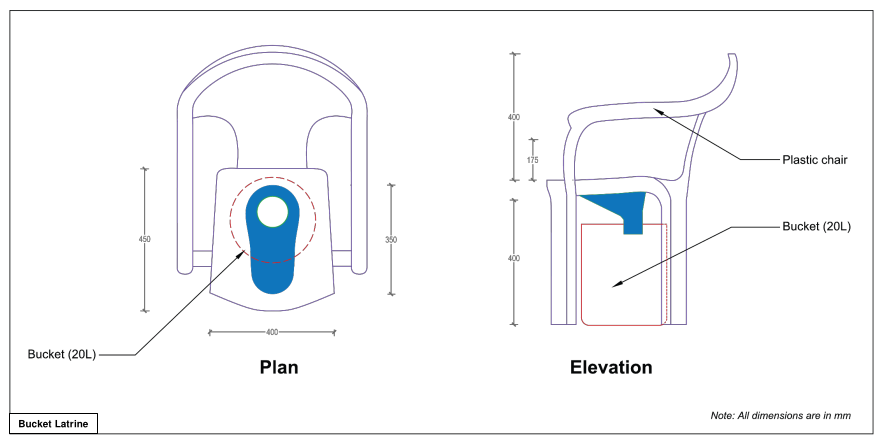
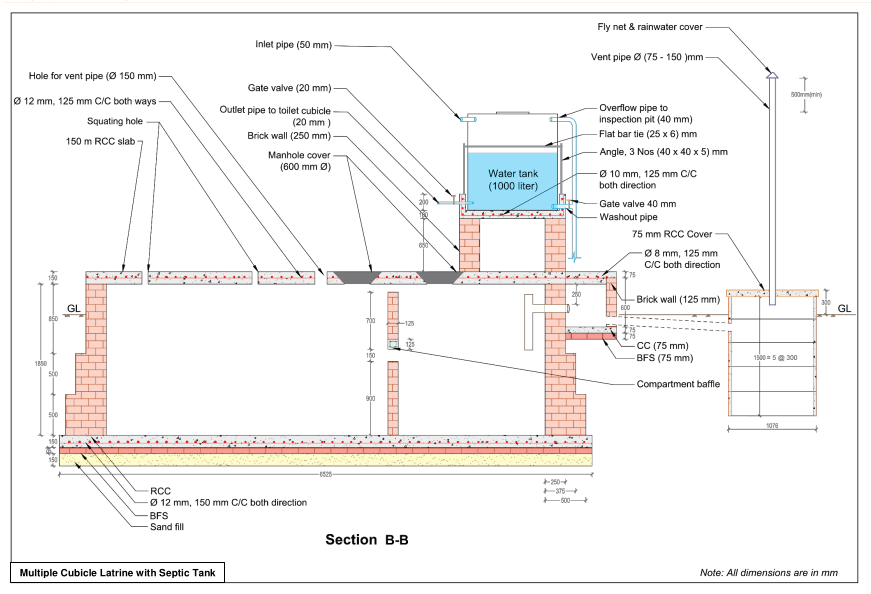
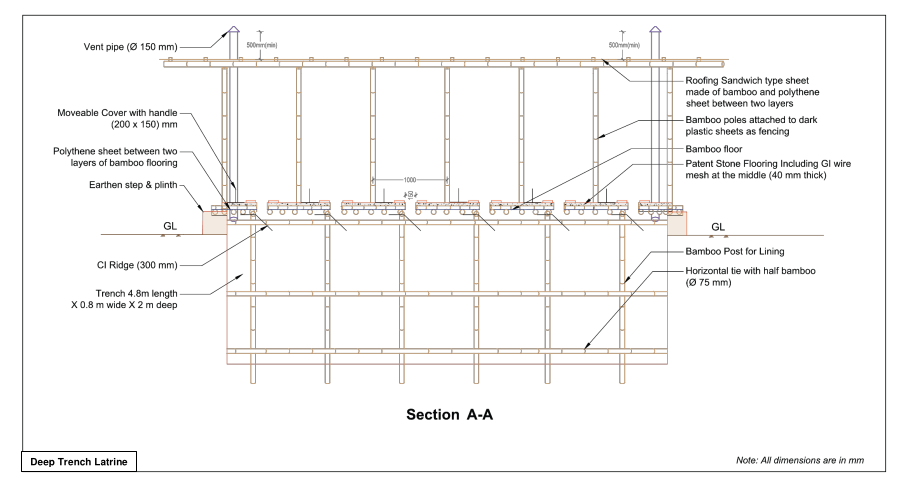
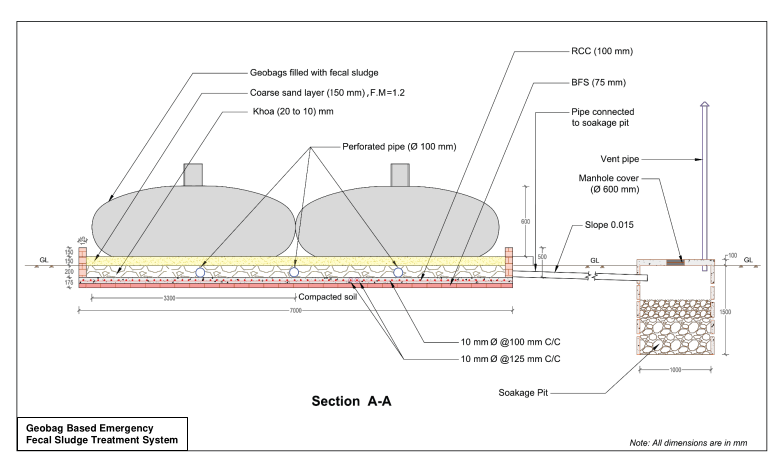
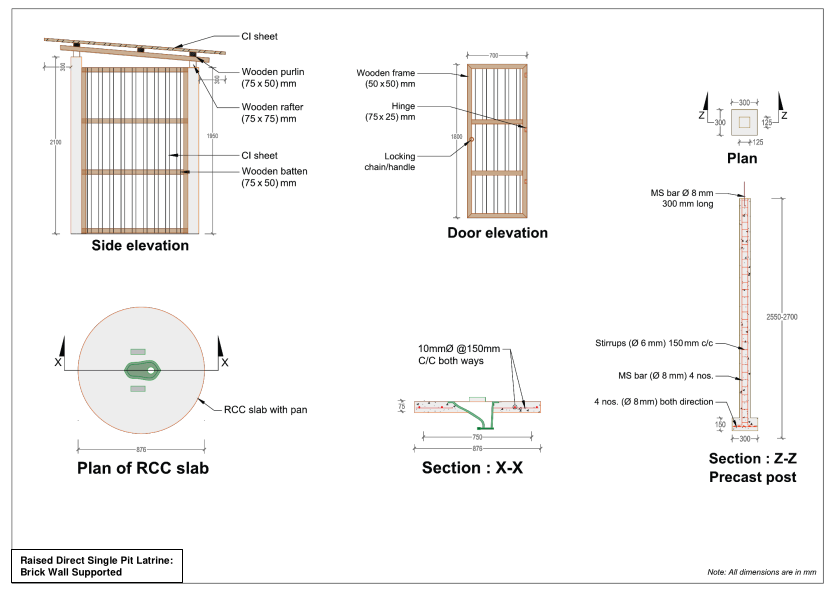
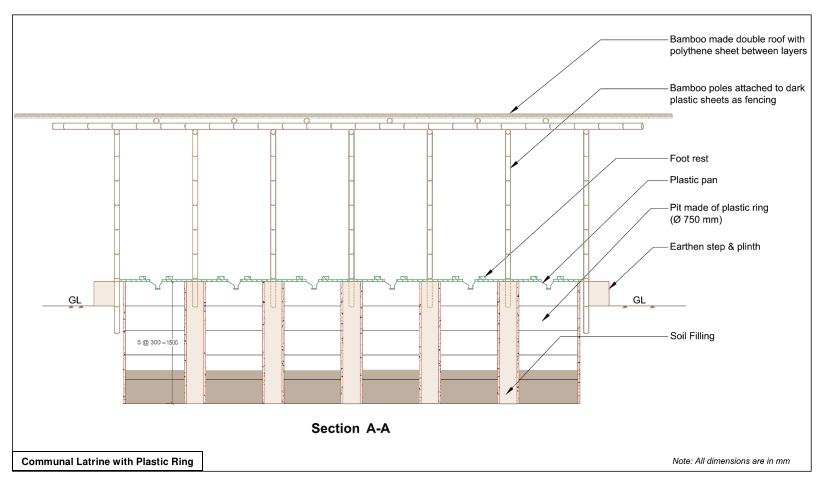
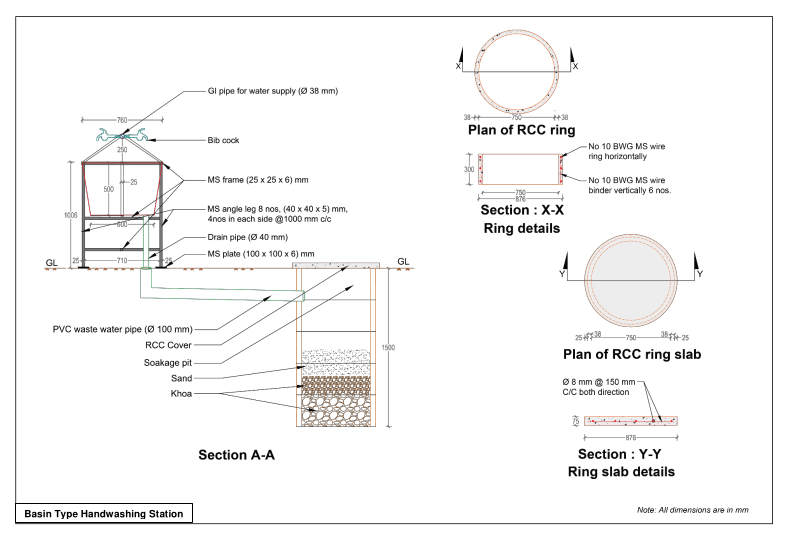
Explore water supply, sanitation and hygiene solutions designed for emergency response, recovery and long-term climate resilience.
Technology Cost Estimates
Indicative costs and specifications for documented WASH technologies. Search by name or code, or switch to list view for a compact comparison.